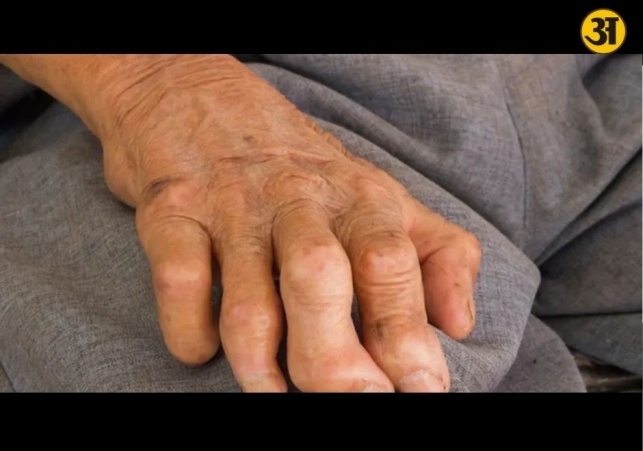
Myths about leprosy busted on World Leprosy Day
Leprosy is curable and not highly contagious, say experts on World Leprosy Day
- By Gurmehar --
- Friday, 30 Jan, 2026
Leprosy is one of the oldest known diseases in human history, yet it continues to affect people in India and other countries today. India has the highest number of leprosy cases in the world, making awareness and early detection extremely important. Experts emphasize that leprosy is completely curable if diagnosed and treated on time, and many misconceptions about the disease continue to create unnecessary fear and stigma.
According to Dr Shitij Goel, Professor and Head of the Department of Dermatology at Sharda Hospital, Sharda University, timely medical intervention not only prevents complications but also helps reduce the social stigma surrounding the disease. Leprosy is caused by a bacterium called Mycobacterium leprae, and it is not related to moral wrongdoing, family history, or any form of punishment.
Common myths about leprosy
A widely held myth is that leprosy spreads easily through casual contact. In reality, transmission occurs only after prolonged, close contact with an untreated person. Simple actions like shaking hands, sharing meals, or touching a leprosy patient do not spread the infection. Once treatment starts, patients quickly become non-infectious and can safely live with their families and participate fully in society.
Another misconception is that leprosy causes body parts to fall off or that deformities are unavoidable. Untreated leprosy can damage nerves, leading to loss of sensation. Injuries may go unnoticed, which can worsen over time. However, early diagnosis and proper treatment prevent nerve damage and disability in most cases. Deformities are not inevitable, and patients can lead normal lives with timely care.
Some people believe that leprosy cannot be cured. This is false. The World Health Organization recommends multi-drug therapy (MDT) for leprosy, which is provided free of cost under national health programs in India. MDT is highly effective and cures leprosy completely, making the real challenge the social stigma rather than the disease itself.
Other myths include ideas that leprosy affects only certain groups of people, or that it is a disease of the past. In truth, leprosy can affect anyone regardless of age, gender, or social background. It still exists in India and other countries, and continued awareness, early detection, and proper treatment are necessary to control it.
ALSO READ: Trump warns Iran next attack will be far worse if no nuclear deal is reached
ALSO READ: Netanyahu’s taped phone camera sparks online debate over digital safety
Prevention, treatment, and social awareness
Leprosy is preventable and manageable. Early diagnosis is key to preventing complications such as nerve damage and disability. People should seek medical advice if they notice unusual skin patches, numbness, or loss of sensation. Prompt treatment with MDT ensures full recovery and eliminates the risk of spreading the disease to others.
Social awareness is also crucial in ending leprosy-related stigma. Misconceptions about isolation, deformities, and hereditary transmission have led to discrimination and exclusion. With proper education, society can accept and support leprosy patients. Individuals who receive treatment can study, work, marry, and live productive lives like anyone else. Community support plays an important role in encouraging patients to seek early care and complete their treatment.
Efforts to eliminate leprosy require a combination of medical intervention and social responsibility. Governments, healthcare organizations, and community groups must work together to spread accurate information, promote early detection, and provide treatment. Regular health check-ups, education campaigns, and public awareness programs are essential to fight both the disease and the myths associated with it.
Experts stress that World Leprosy Day serves as a reminder of the importance of compassion, awareness, and timely medical care. Stigma and fear often prevent patients from seeking help, which can lead to unnecessary complications. By debunking myths and promoting accurate information, society can ensure that leprosy is treated as a medical condition rather than a social taboo.
In conclusion, leprosy is curable, not highly contagious, and affects people of all backgrounds. Early detection, treatment with multi-drug therapy, and social acceptance are key to overcoming the disease. Public awareness campaigns and education can break down misconceptions and allow patients to live normal, productive lives. With sustained efforts, leprosy can one day become a disease of the past.
Awareness, compassion, and timely medical care are the most effective tools in ending leprosy and reducing the stigma surrounding it. Together, society can ensure that people affected by leprosy are treated with dignity and provided the care they need.
Related News